What We Stand For
Our Standards
Bos Sires genetics aren't about chasing trends or building bulls that look good on paper. We're here to restore a standard — cattle that raise a calf every year, thrive on grass, stay sound, and make the operation more profitable without needing a crutch.
We build cattle that don't need a grain bucket or a hormone protocol to get the job done. Just genetics that thrive on forage, breed back without issue, and stay in the herd because they've earned it. That's the foundation of real profit — the kind you can measure in calves on the ground and cows that stay in production year after year.
Mainstream selection has prioritized all the wrong things. The industry got lost in traits that don't translate to pasture performance. But we follow a different compass — guided by men like Jan Bonsma and Johann Zietsman, and refined by the cattlemen we work with around the world. These are producers who expect cattle to perform under pressure, in low-input environments, without excuses.
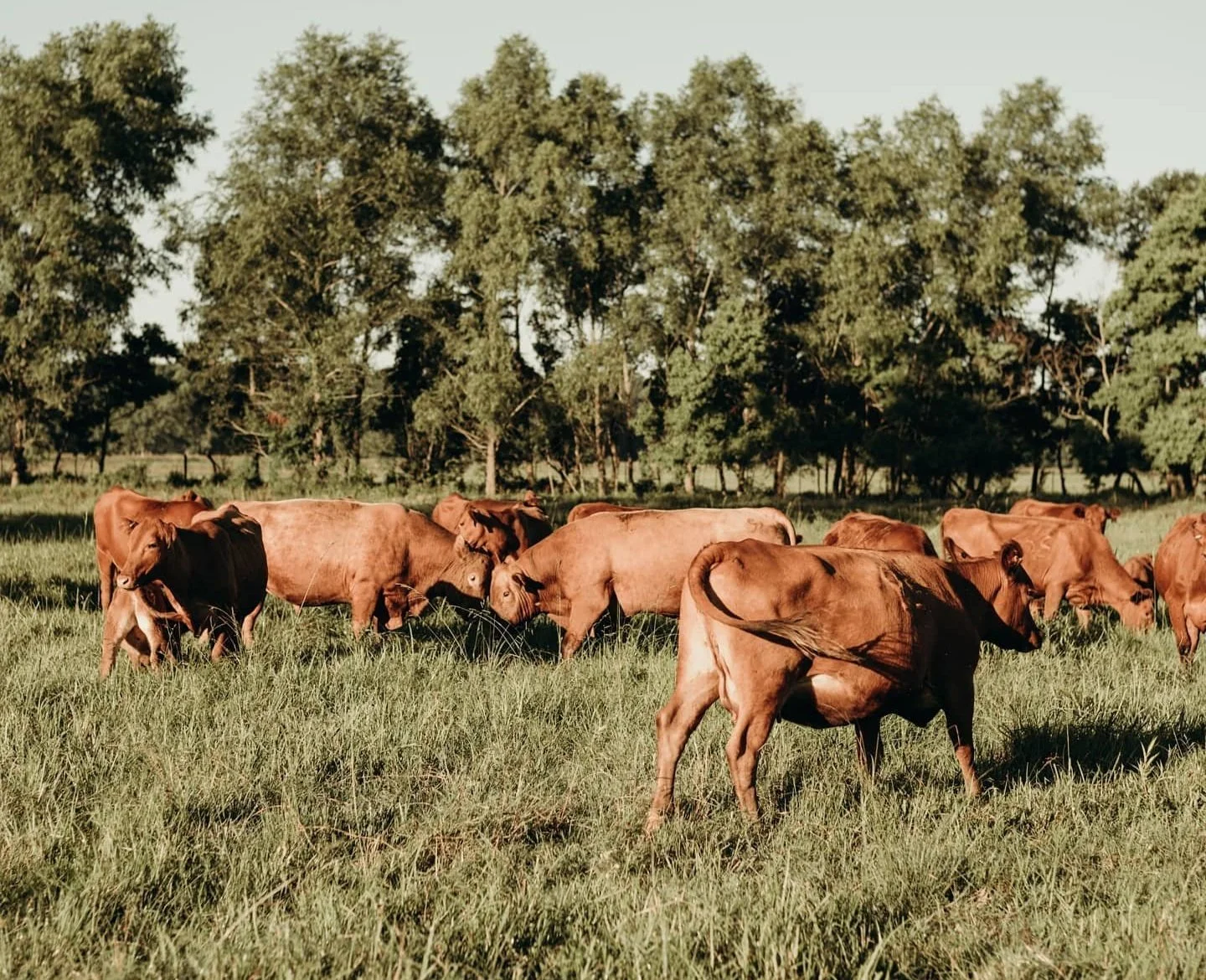
Bos Sires genetics aren't about maximizing inputs — they're about maximizing return. These cattle finish on grass. They thrive where others falter. They stay in condition when the feed truck doesn't come. That's not by accident — it's by selection.
They leave a lighter footprint because they're built to work with the land, not fight against it. Cattle that convert grass, calve unassisted, and stay in the herd longer reduce the need for grain, synthetic inputs, and extra labor. That's sustainability in action — not a slogan.
And more than anything, these cattle are dependable. They do what they're supposed to do, when they're supposed to do it. You don't need a spreadsheet to tell you that. You just need a pasture, a season, and a set of eyes.
We are not just building cattle — we are preserving a mindset. The kind of thinking that says fertility matters, longevity matters, and the cattle should fit the environment, not the other way around.
If that sounds like what you've been looking for — maybe you've just found it.
Naturally fertile cattle: what to ask before choosing a sire
Natural fertility means the ability to reproduce under the conditions in which a herd actually lives. It is not a promise that every animal will conceive without intervention. Nutrition, disease, heat stress, age and breeding management all affect pregnancy outcomes alongside genetics.
Ask a breeder for the breeding season length, cows exposed, cows confirmed pregnant and calves weaned—not just a photograph of a successful cow. Compare animals managed in similar environments and ask whether open females were retained. A short calving interval is useful context only when the herd's feeding and management are also known.
A breeding soundness examination helps evaluate a bull before turnout; it does not guarantee libido, freedom from every disease or pregnancies throughout the season. Work with a veterinarian on examinations and herd health, then track reproductive results over multiple seasons. Selection for fertility should complement, not replace, good care.
Merck Veterinary Manual: breeding soundness examination of bullsThis background evidence does not certify any Bos Sires animal.
Explore active sires Meet the breeders Compare records and costs