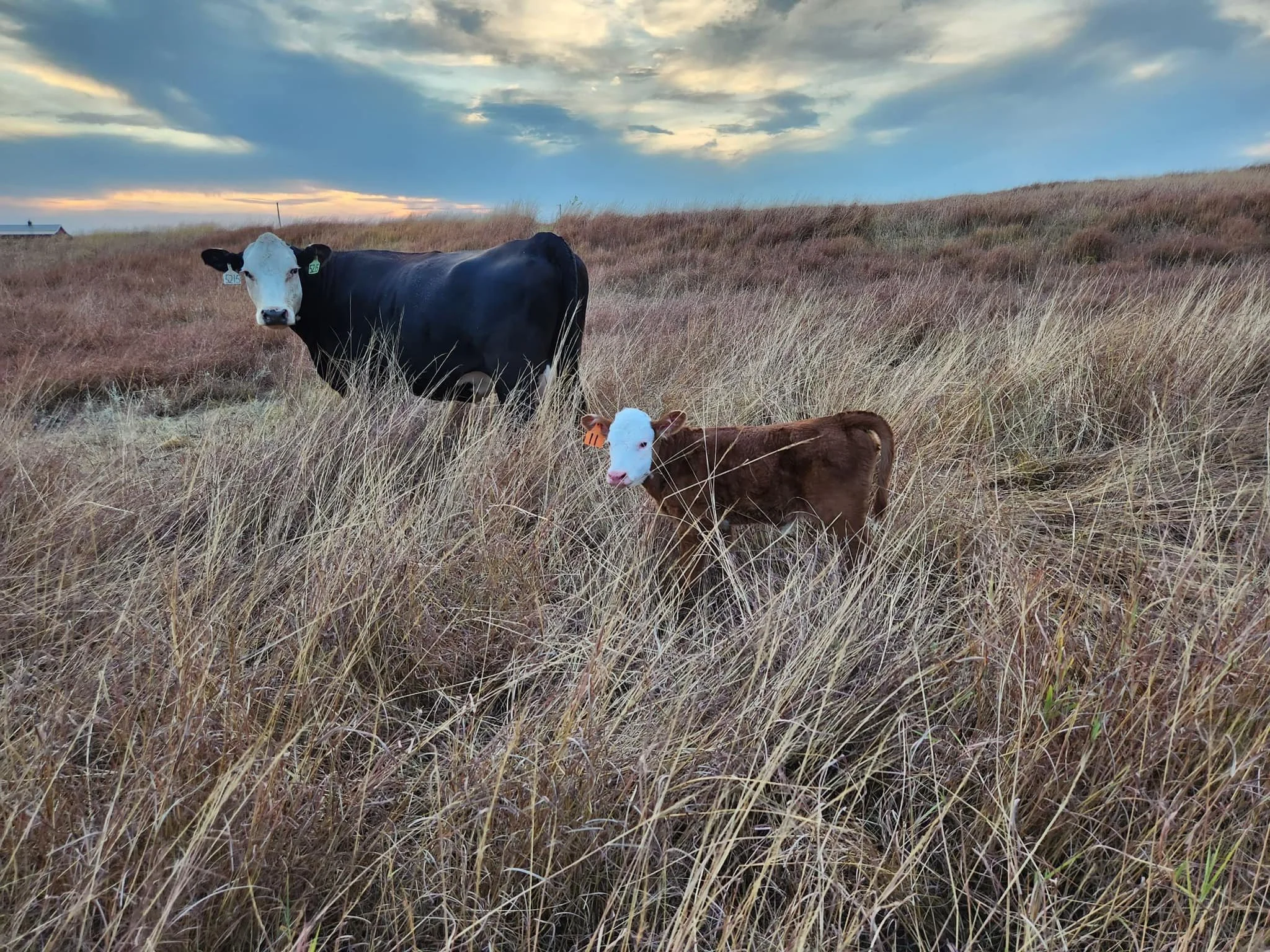
Our Mission
Restoring Cattle to Purpose.
Restoring Profit to the Producer.
At Bos Sires, our mission is simple: to bring cattle back to what they were meant to be, and to give producers around the world a fair chance to succeed.
Whether it is a family raising a few head to feed their household or a rancher helping to support a country's food supply, the goal is the same: cattle that can do the job. Cattle that raise a calf every year. Cattle that perform in their own environment, not in feedlots, not on grain, and not bred for the show ring.
Raising Cattle is not a game
Across the world, hundreds of millions of people face hunger. Functional, fertile cattle are not a luxury; they are a lifeline.
We stand with the real cattleman: the one who still believes in fertility, function, and long-term sustainability. The one who knows the value of grass-fed, grass-finished genetics. The one who understands that cattle should improve the land, not degrade it.
Bos Sires was built to preserve the knowledge and genetics that work. We are not here to sell hype; we are here to offer solutions. The truth is that most of the world is not starving from a lack of effort. People go hungry because the cattle they have been given cannot survive where they live.
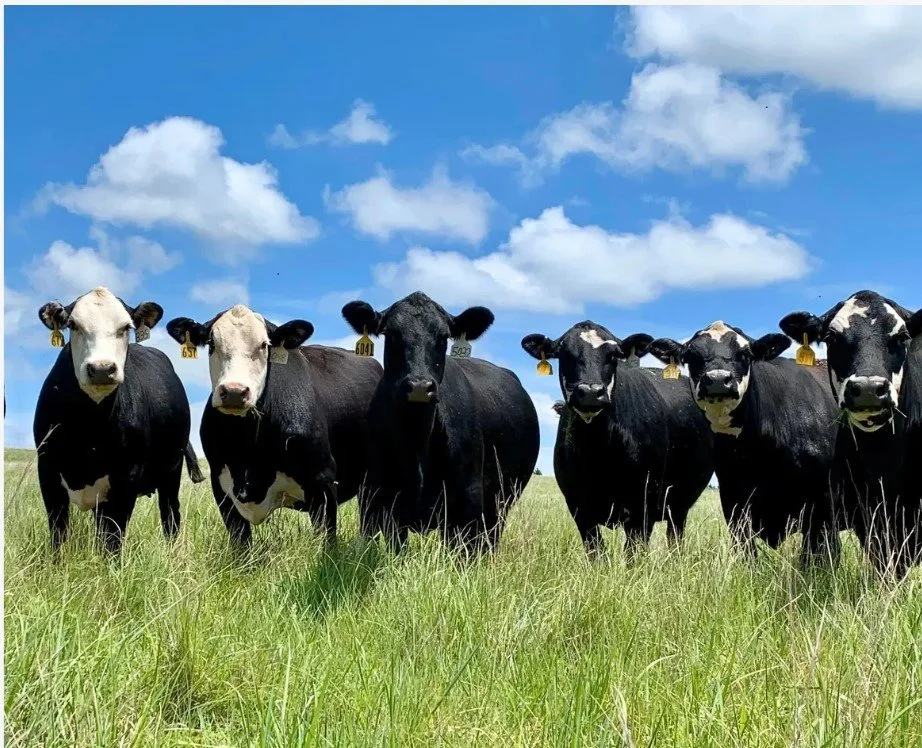
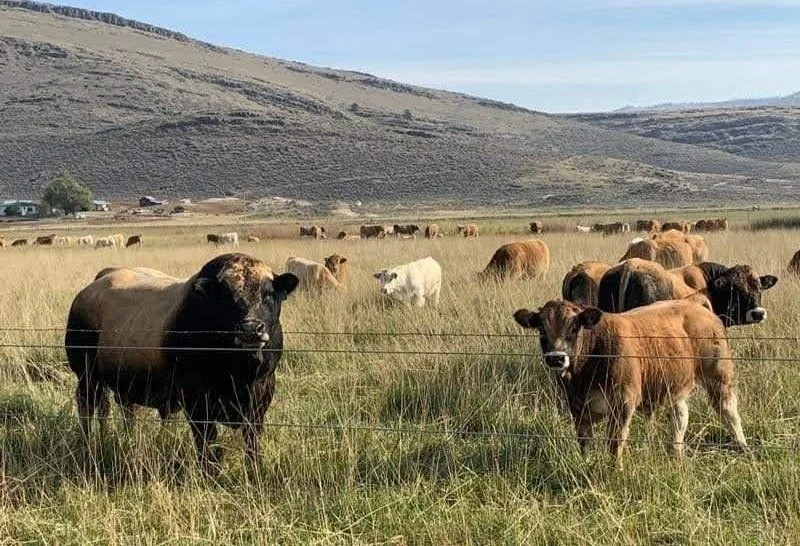
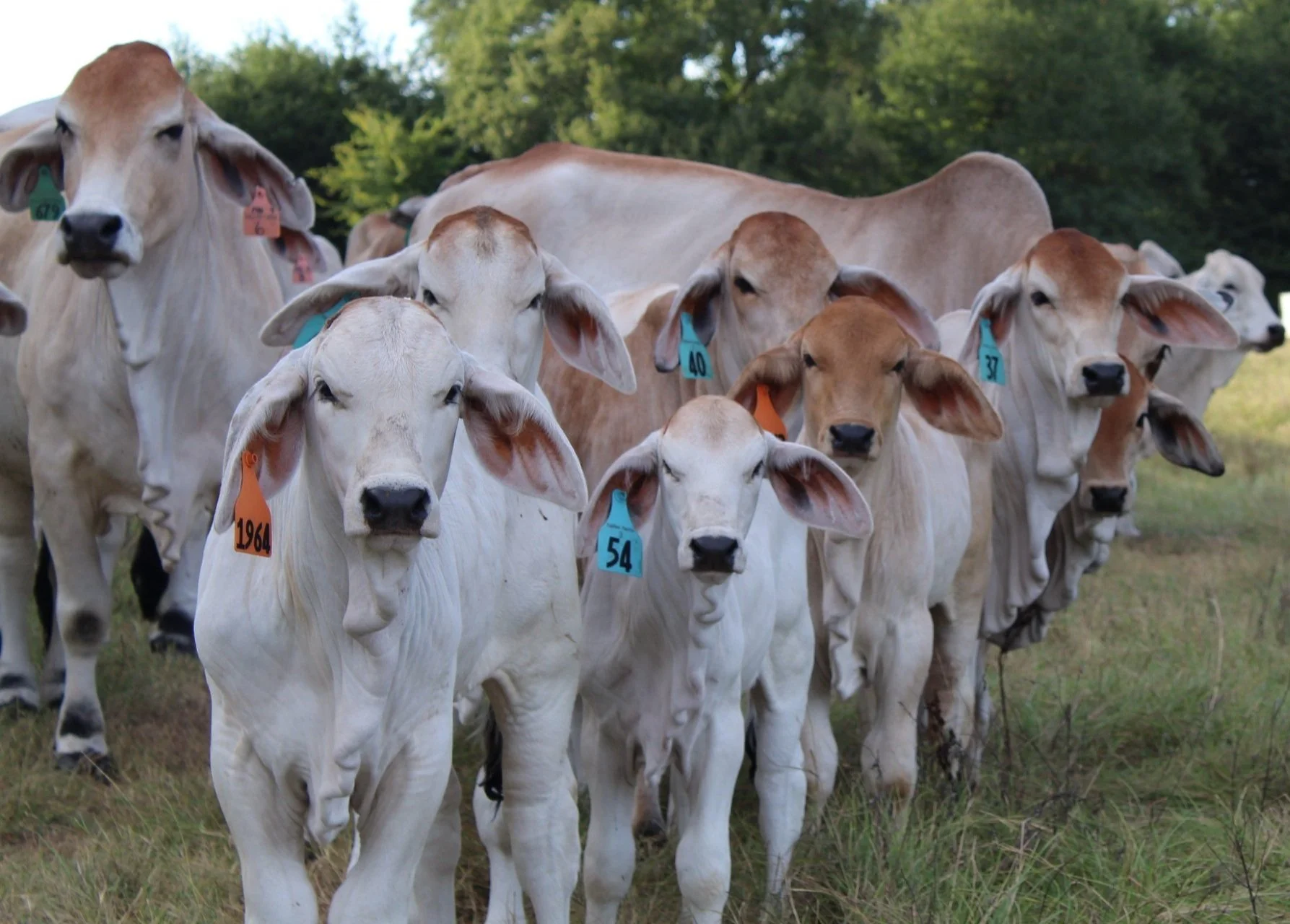
In some parts of the world, calf crops average just 40%. We have met ranchers who blamed themselves when the real problem was the genetics they imported from the United States: genetics bred for show rather than survival, for trophies rather than cattle with staying power.
This is the problem we set out to solve.
Bos Sires genetics are different. They draw on the past, built from time-tested stockmanship, and they represent the future of profitable, regenerative cattle production.
This is not about blue ribbons.
It is about raising cattle that produce a calf every year, under pressure, with fewer inputs, and still leave the land better than they found it.
Because raising cattle is not a game.
It is how we feed the world.
Sustainable genetics must fit the land and the production system
Sustainable cattle genetics is a selection goal, not an environmental certification. Animals that remain productive in their environment may help a producer avoid unnecessary replacement and feed costs. Whether a particular herd reduces emissions, improves soil or protects habitat depends on management and measured outcomes; genetics alone cannot establish those claims.
Start with local constraints: seasonal forage supply, water, heat, parasites and the length of the growing season. Match mature size and milk production to what the farm can support. A high-output animal can require more purchased feed than a lower-output animal, so compare the whole system rather than one performance figure.
Record replacements, mortality, purchased feed, land condition and output alongside pregnancy and weaning results. Use consistent boundaries and multiple years when evaluating change. Environmental assessments need explicit methods, including whether results are per animal, per hectare or per unit of product; those measures can tell different stories.
FAO: Tackling climate change through livestock (assessment methods and mitigation)This background evidence does not certify any Bos Sires animal.
Read our selection standards Explore regional breeder environments Find education resources