Pioneers of Functional Cattle
Johann Zietsman
Johann Zietsman is a Zimbabwean rancher, consultant, and author who has spent his life challenging conventional thinking in the beef industry. Drawing on hard experience in tough African environments, he argues that the goal of ranching is not bigger cattle or higher weaning weights, but sustainable profit per unit of land.
His blunt, practical approach echoes throughout the Bos Sires philosophy: breed adapted, fertile cattle, manage grazing to heal the land, and measure success by profitability rather than appearance.
Life & Work
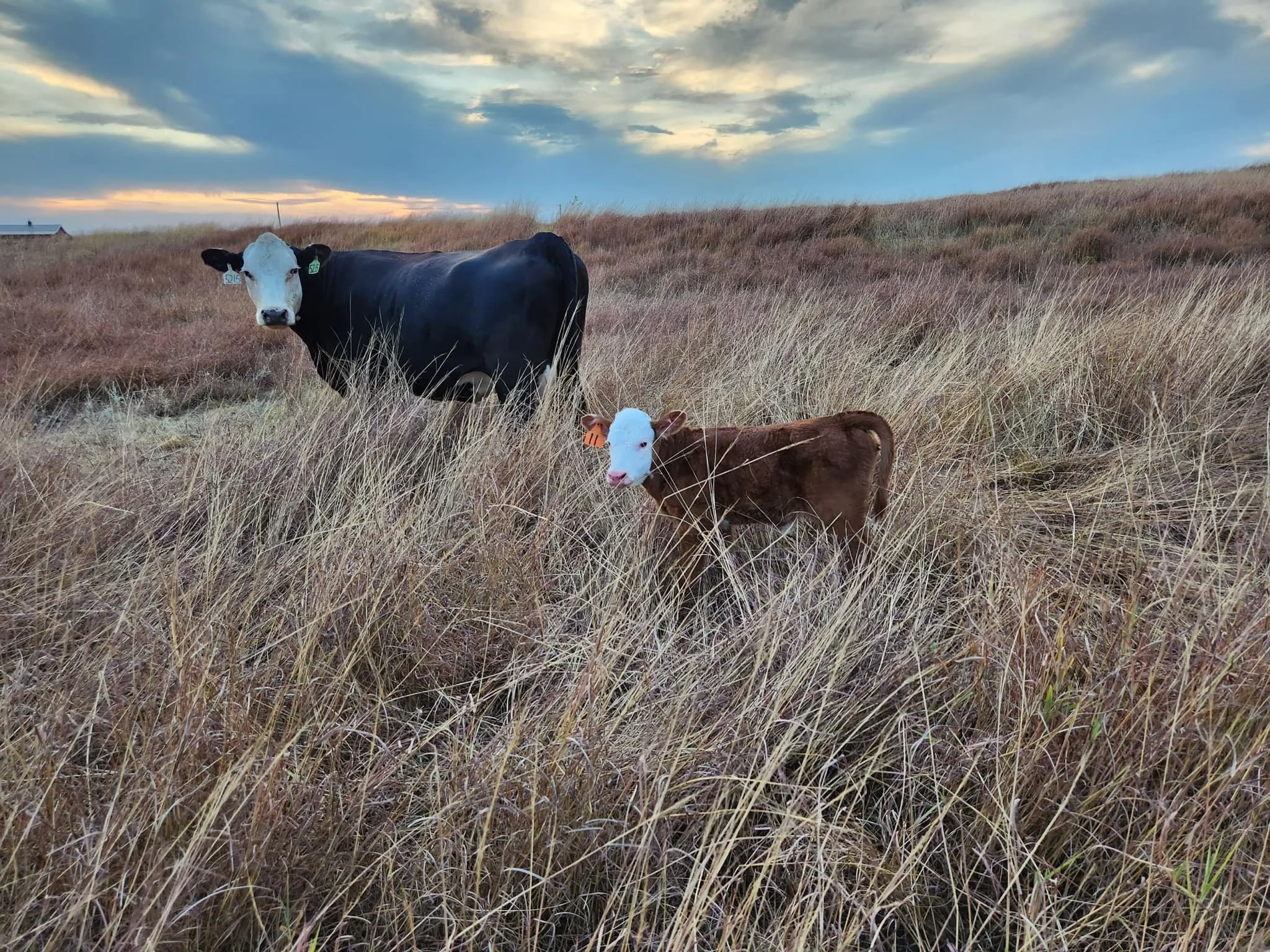
Trained in animal science and shaped by decades of real ranching, Zietsman built his reputation by refusing to accept practices that did not pay. He has consulted with cattlemen across Africa, the Americas, and Australia, always pressing the same questions: Is this animal adapted? Is it fertile? Is this system actually profitable? His teaching combines rigorous economics with a deep respect for natural function.
Profitable Ranching
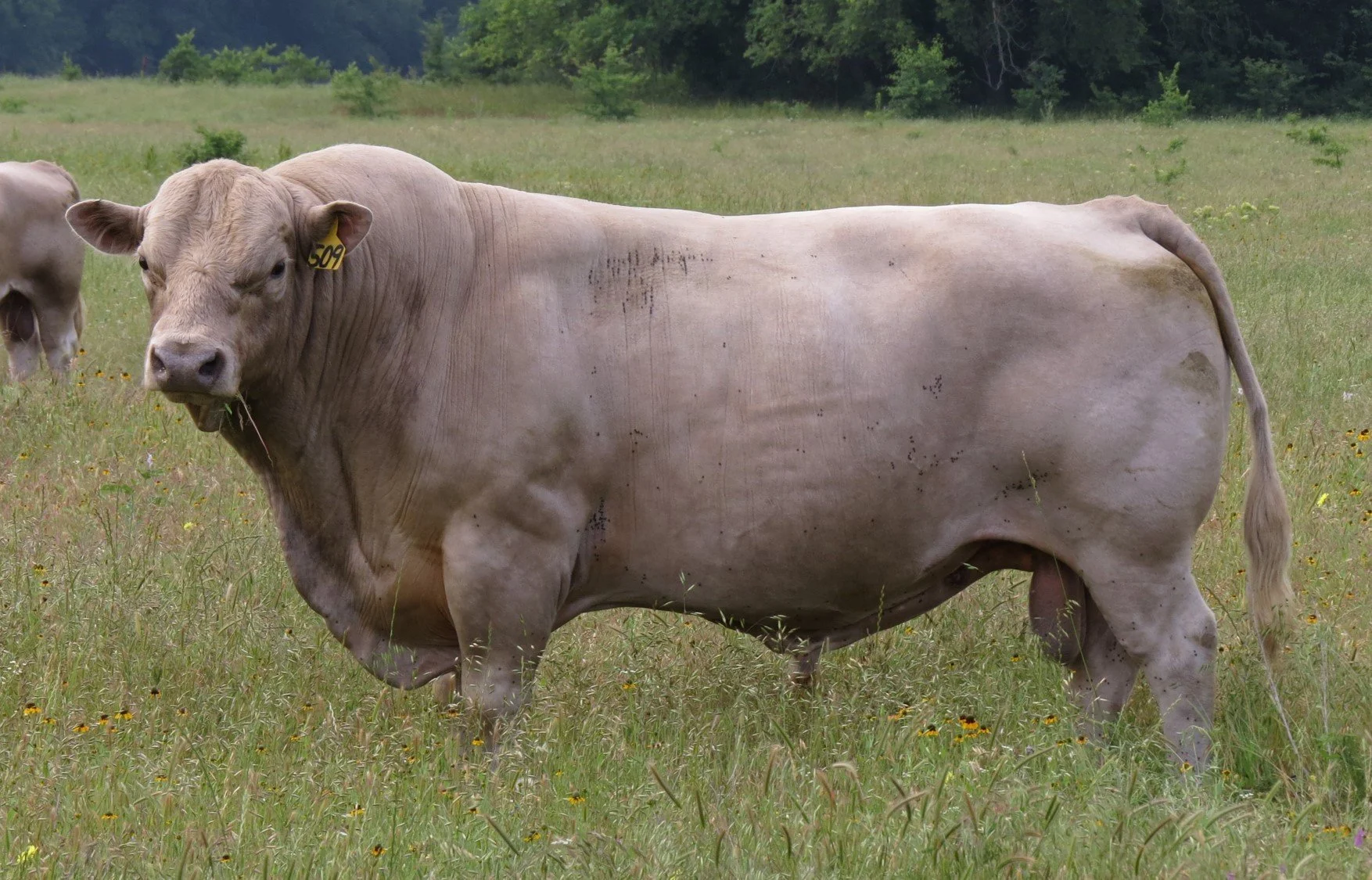
Zietsman insists that profit comes from maximizing production per hectare, not per animal. That means running more, smaller, highly fertile cattle that wean a calf every year and convert grass efficiently, rather than chasing the large, late-maturing frames the industry often rewards. Lower input, higher stocking rate, and ruthless culling for fertility are the levers that turn a ranch from break-even into a business.
Practical Fertility & Grazing
He is a leading advocate of ultra-high-density grazing, moving large mobs of cattle frequently to mimic wild herds, rest the land, and rebuild soil and forage. Paired with selection for early-maturing, easy-fleshing, fertile animals, this approach regenerates pastures while lowering costs. For Zietsman, the cow and the land are managed as one system, each made healthier by the other.
Selected Works
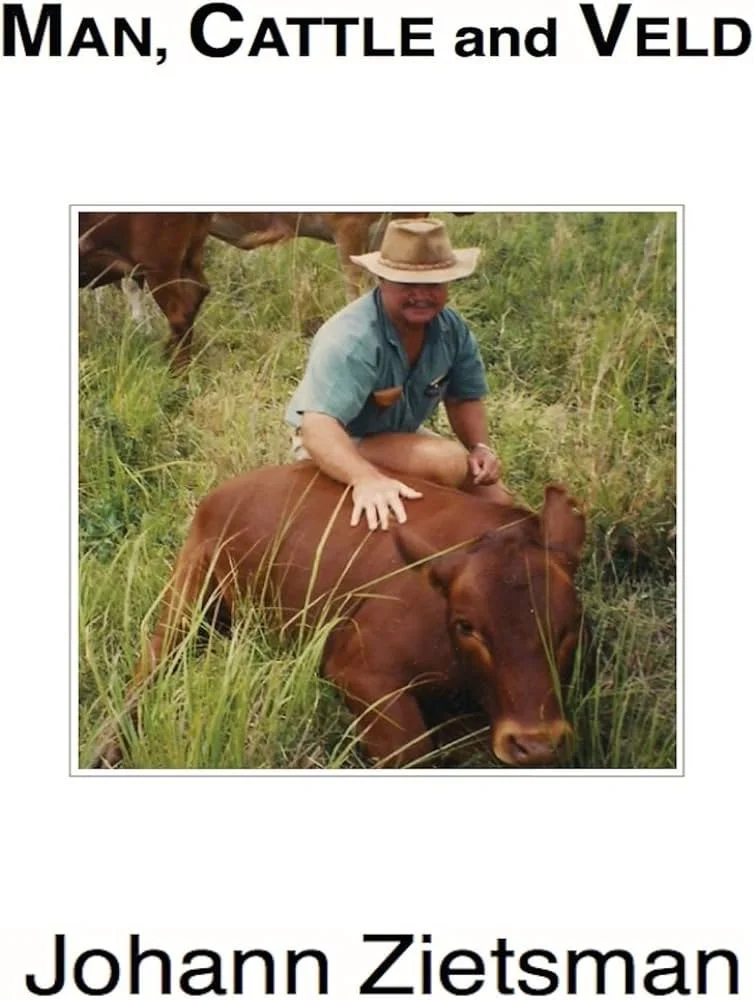
Man, Cattle and Veld
Johann Zietsman
In Man, Cattle and Veld and Grazing Management, Zietsman lays out a complete, practical system for breeding profitable cattle and regenerating rangeland. His writing remains essential reading for breeders who want a herd that pays its way on its own land.