Consulting
Fix the System, Not Just the Symptoms
Why We Consult
One of the biggest problems in the cattle industry today is that advice is often separated from accountability.
Many consultants, educators, and industry experts make recommendations that sound good in theory, but they are not the ones who have to live with the consequences. If the advice fails, they still get paid.
The people involved with Bos Sires come from a different background. They are cattle producers first. Their operations survive or fail based on the same factors that affect every commercial producer: fertility, longevity, stocking rate, replacement costs, drought, input costs, and profitability.
That does not mean we have all the answers. It does mean that our recommendations come from people who have had to make a living with cattle.
Looking for the Root Cause
Over the years, our network has had the opportunity to evaluate cattle operations in multiple countries and production environments. While every ranch is different, many of the same problems appear repeatedly.
Low fertility. Rising input costs. Poor longevity. Declining adaptability. Cattle that no longer fit the environment in which they are expected to perform.
In many cases, producers spend years treating symptoms while the underlying problem remains unchanged.
Our goal is not to apply a predetermined solution. The first step is understanding the operation itself.
Every Environment Is Different
No two ranches are exactly alike.
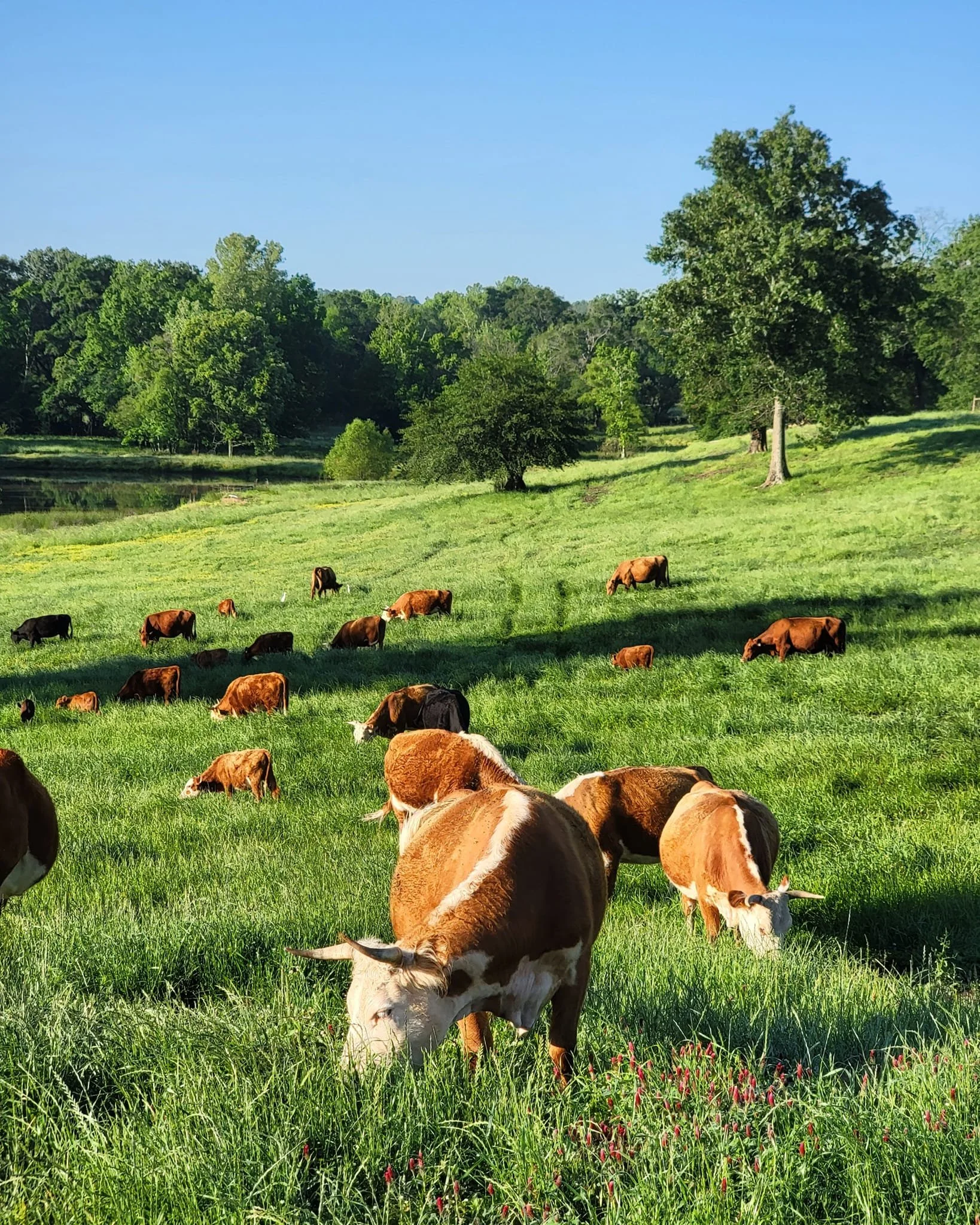
Climate, forage resources, rainfall, terrain, parasites, labor availability, management style, and market objectives all influence what type of cattle and management system will be most successful.
For that reason, we do not promote a single breed, a single grazing system, or a one-size-fits-all approach.
The objective is not to make every ranch look the same. The objective is to help producers build a system that works within their own environment.
What We Evaluate
Depending on the operation, consulting may include:
Herd fertility and reproductive performance
Replacement female selection
Bull selection and breeding strategy
Cow size and efficiency
Herd adaptation to local conditions
Culling philosophy and selection pressure
Grazing and stocking management
Input dependency and operational efficiency
Long-term herd development
Every operation is different, which means every evaluation is different.
Genetics and Management
One lesson we have repeatedly observed across different countries and production systems is that genetics and management cannot be separated.
Good grazing management cannot fully compensate for cattle that are poorly adapted to the environment.
Likewise, good cattle cannot reach their potential under poor management.
Long-term success comes when cattle, environment, and management are working together rather than against one another.
A Practical Perspective
The Bos Sires network includes breeders operating in a wide range of climates and production environments around the world. While their cattle may differ in breed, color, or type, they share a common focus on fertility, functionality, adaptability, and long-term productivity.
That perspective allows us to draw from practical experience across multiple environments while recognizing that every operation must ultimately develop cattle that fit its own conditions.
The goal is not to create dependence on a consultant. The goal is to help producers better understand their cattle, their land, and the decisions that will shape the future of their operation.